Dads are famously difficult to shop for. They have specific, niche interests—be it artisanal coffee beans, grilling gadgets, or obscure history books—and they’re rarely the type to admit they need a new gadget. Finding that perfect gift feels like navigating an IKEA maze blindfolded: you know something is missing, but you can't pinpoint what. You want to buy them something thoughtful, memorable, and genuinely useful, without spending your entire quarterly bonus on scented candles (unless he secretly loves sandalwood). So, before you dive into Amazon’s endless scroll of "Dad Gifts," let’s tackle the math. Figuring out how to calculate the perfect budget for a dad hamper isn't just about dividing up cash; it’s about balancing sentimentality with solvency.
We are going beyond basic cost-cutting here. This guide will give you the framework needed to ensure your gift feels high-end and curated, even if your wallet suggests otherwise. By following these steps, you’ll transform a vague desire into a concrete, achievable, and deeply appreciated gift plan.
Understanding the Ideal Hamper Recipient and Occasion
A hamper is more than just a collection of items; it's an experience. It tells a story about the person receiving it. Before any number crunching happens, you must define your parameters: Who is this for? What are their passions? And what is the occasion demanding? Treating these questions as mere formalities will lead to mismatched products and a budget that feels arbitrary rather than intentional.
Consider his routine. Is he a man who spends weekends conquering trails on a hiking trip? Or is he a connoisseur of armchair comfort, preferring a good book and a robust beverage? Knowing this immediately dictates the category of goods you need—outdoor gear versus gourmet treats. If you try to appeal to too many different facets of his personality, your budget will scatter like confetti at a carnival.
We recommend developing three distinct profiles for him:
- The Enthusiast: Someone deeply invested in one hobby (e.g., grilling). The hamper should be 80% related to this niche interest. The Comfort Seeker: Someone who values relaxation and quality downtime. Focus on sensory experiences (scents, tastes, textures). The Experience Lover: This person doesn't want things; they want memories. Budgeting here means allocating funds toward an activity voucher or a "DIY" hamper that encourages shared time.
Does the occasion change the formula? A Father’s Day gift requires more emotional weight than a simple birthday acknowledgement. It needs to feel like a celebration of his existence, not just an item checklist. This initial profiling is the most crucial step in learning how to calculate the perfect budget for a dad hamper because it sets the spending priority.
Deconstructing the Numbers: Step-by-Step Budget Allocation
Now that we know who he is and why you’re buying this, let's talk math. The goal of budgeting isn't minimum cost; it's maximum perceived value for your intended spend. Think of your budget like a culinary recipe—every ingredient (and every dollar) must serve a purpose in the final dish.
The first mistake most people make is treating their total budget as one monolithic pool of cash. It’s not. You need to allocate funds into distinct categories, which helps prevent you from buying too many mediocre filler items and neglecting the star attraction.
We recommend allocating your total amount across these three buckets:
- The Anchor Item (35–40%): This is the "Wow" factor—the single most expensive or impressive item. It should be something he wouldn't buy for himself, like a high-end portable speaker or a specialized steak knife set. This item carries the emotional weight of the gift and dictates much of the hamper’s perceived quality. The Supporting Cast (40–50%): These are 2–3 complementary items that enhance the Anchor Item. If the anchor is grilling, the supporting cast might include unique rubs, gourmet wood chips, or a pair of high-quality gloves. This section builds out the theme and makes the hamper feel complete. The Filler/Presentation (10–20%): Do not skimp here! This covers the basket itself, tissue paper, ribbon, specialized packaging, and perhaps a small bonus item like artisanal chocolates or fun socks. A beautiful presentation elevates even simple gifts, making it look like a luxury spread rather than just random stuff dumped in a box.
If you start with a $150 budget, for example, your Anchor Item should cost around $60-$75. This structure prevents the common pitfall of buying ten cheap things that together feel less impactful than one excellent piece.
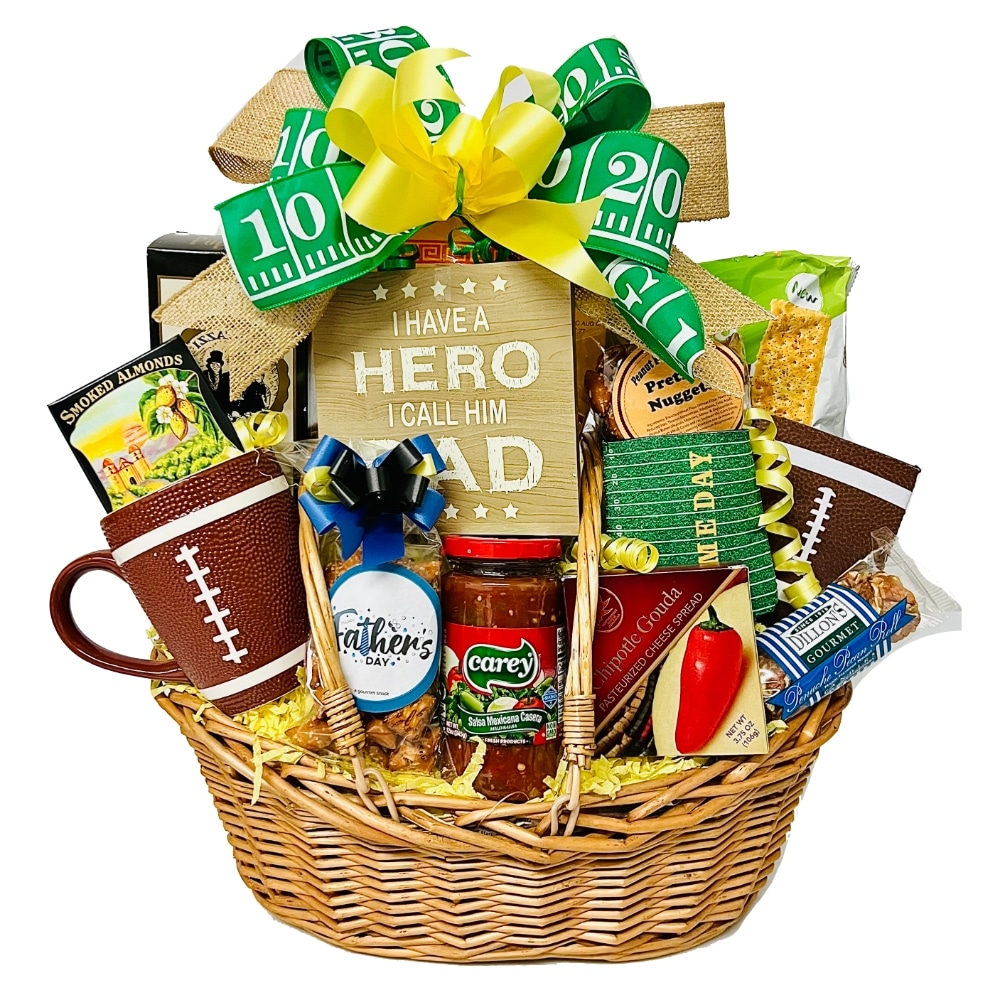
Beyond Cost: Maximizing Perceived Value Without Breaking the Bank
This is where art meets arithmetic. You might find yourself asking, "How can I make a $100 hamper look like it’s worth three times that?" The secret lies in strategic curation and leveraging non-monetary value.
A few years ago, I was tasked with creating a gift for my father-in-law who loved craft beer but also needed to stick to a tight budget. My initial idea—a box of six average beers—was bland. Instead, we shifted focus. We kept the core items (three unique, local brews) but added elements that didn't cost much: a hand-written story about his favorite brewery memories, a custom coaster set from a local artist, and a packet of gourmet nuts meant for pairing. The total expenditure was only marginally higher than the initial plan, but the emotional resonance—the story—made the hamper feel exponentially more valuable.
As one expert gift curator noted, "The value of a gift is not in its price tag; it's in the thought process that led to its selection." This quote should serve as your guiding mantra. We aren’t just buying items; we are assembling thought.
How can you achieve this high perceived value while keeping your budget intact?
- The Power of Pairing: Never buy random items. Ensure everything works together. A pairing makes the ensemble feel deliberate and thoughtful. Local Sourcing: Items purchased from local artisans or small businesses often carry a story, which instantly boosts their perceived worth to the recipient. DIY Elements: Include a handwritten note, a personalized playlist QR code, or a curated reading list. These elements are free but priceless.
Are you willing to spend time researching unique pairings rather than simply spending money? Often, that time investment yields a much higher return in gift quality. This holistic approach is key to learning how to calculate the perfect budget for a dad hamper while keeping your finances healthy.
Weaving Together Budgeting and Thought: Final Checks Before Purchase
Before you hit "Place Order," take three minutes to perform a final review of everything you’ve purchased or planned. Your Check out here goal now is not just financial accuracy, but emotional balance.
First, check the flow. Pick up the items in order. Does it feel logical? If you have a bottle of expensive wine, does it go better with cheese (a pairing) or something else? A smooth transition from one item to the next makes the gift cohesive.
Second, verify the uniqueness factor. Have all Personalised Mug the components been sourced from different angles—taste, touch, smell, utility? If everything is coffee-related, for instance, it feels too narrow. Broaden the scope slightly while maintaining relevance.
Lastly, review your core budget calculations. Did you account for taxes or shipping fees that might push you over? This final check ensures that when the hamper arrives, nothing falls apart due to an unexpected $15 fee. By following these steps—profiling, allocating funds strategically, and focusing on narrative—you are well-equipped to confidently determine how to calculate the perfect budget for a dad hamper every single time.
From Calculation to Keepsake: Planning Future Triumphs
Mastering the art of gift budgeting is a skill that pays dividends far beyond Father's Day. It teaches you how to assess needs, allocate resources, and most importantly, communicate care through tangible objects. As you move forward into gifting cycles—whether it’s an anniversary, a holiday, or just because—remember this framework. Don't view budgeting as restriction; view it as creative constraint. Constraints are what force ingenuity.
Instead of seeing the budget limit as a ceiling, see it as the blueprint for your next great idea. Start small by calculating a perfect gift for an upcoming minor occasion. This practice will solidify your understanding of how to calculate the perfect budget for a dad hamper and any other niche gift challenge you might face in the future.
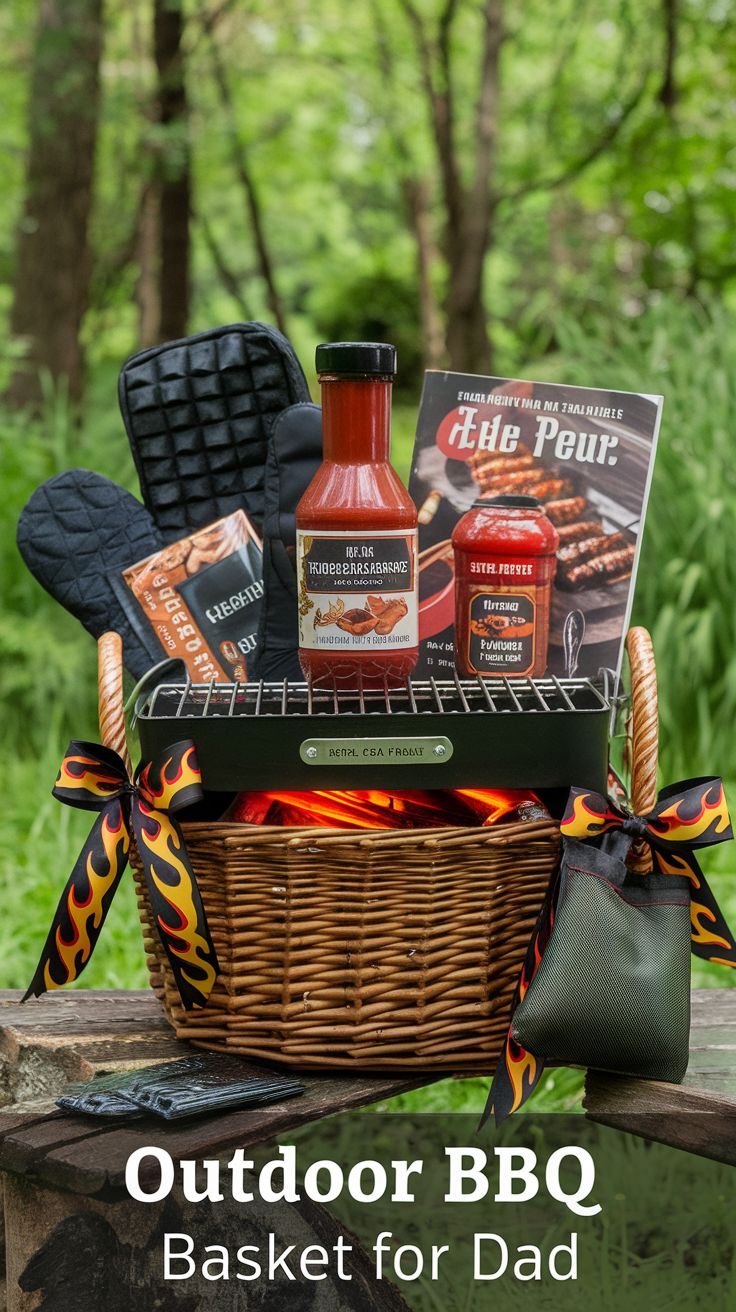
Do you have a difficult gifting task ahead? Use this guide as your checklist, adjust the percentages based on your personal spending comfort zone, and focus always on the story behind the basket. Happy calculating!