Luxury hampers are more than just a collection of goodies; they’re a statement of taste, a celebration of moments, and often, a high‑value gift. When the packaging itself becomes a target, the whole experience can crumble faster than a poorly sealed soufflé. In this article we’ll walk through the essential steps to answer the question: how to secure packaging against tampering for luxury hampers while keeping the presentation flawless and the customer delighted.
Understanding the Threat Landscape
Types of Tampering
- Physical breaches – Cutting, prying, or forcefully opening the box. Chemical tampering – Introducing foreign substances or altering the contents. Digital manipulation – For smart‑packaged hampers, hacking the embedded sensors.
Recognizing these threats is the first line of defense. It’s like knowing the different ways a thief might try to steal your favorite wine; you’ll be better prepared if you’re aware of the tactics.
Why Luxury Hampers Are a Target
Luxury hampers attract attention for a reason: they’re expensive, often personalized, and usually delivered to a high‑profile recipient. The combination of value and visibility makes them prime targets for opportunists. Think of a hamper as a high‑security vault in a public park – it’s a tempting prize for the wrong hands.
Principles of Tamper‑Resistant Design
Material Selection
Choosing the right materials is like picking the right lock for a safe. Opt for:
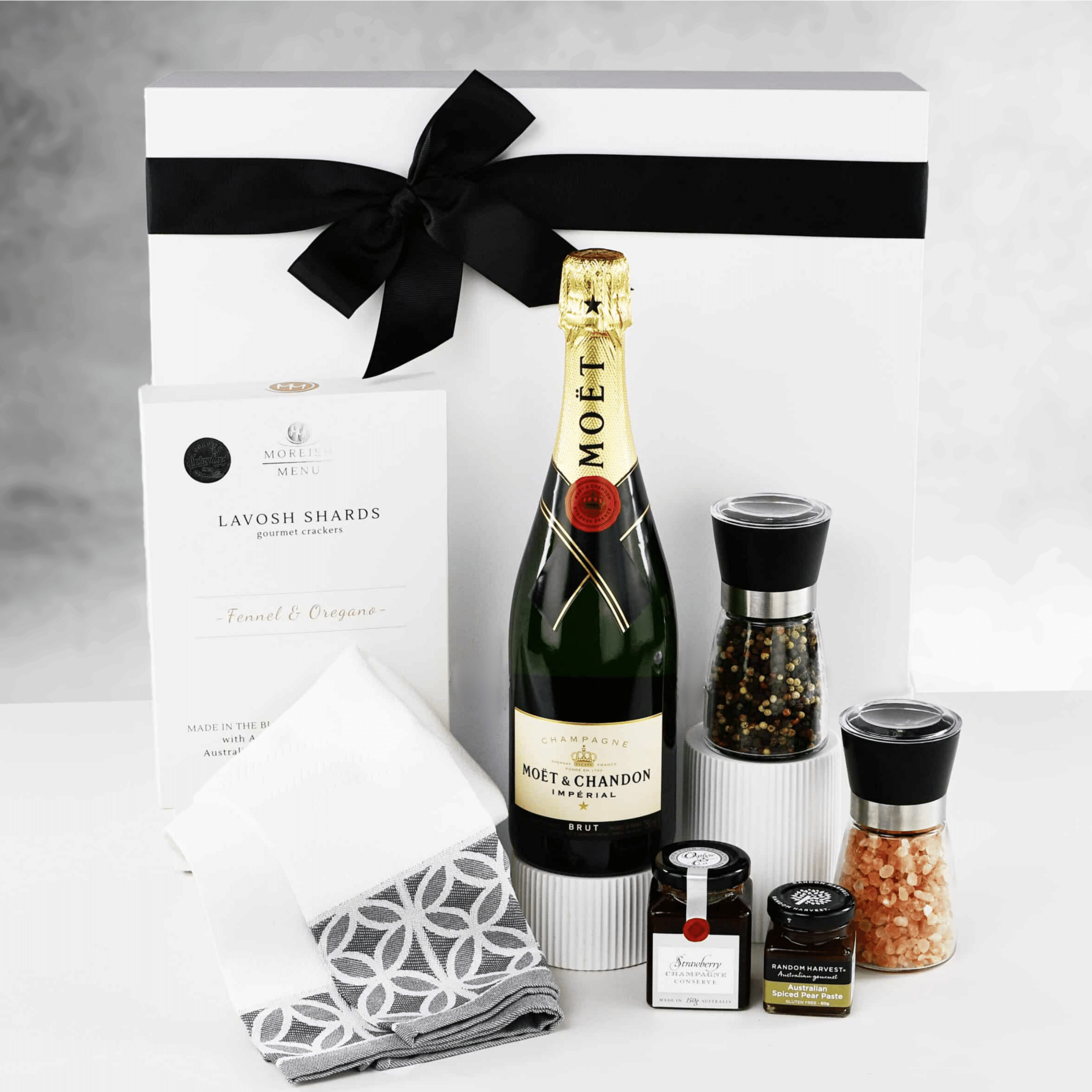
- High‑density polyethylene (HDPE) – Tough, lightweight, and resistant to cuts. Corrugated cardboard with a high crush index – Provides structural integrity while remaining recyclable. Foam inserts – Protect delicate items and add a layer of security against forced entry.
The material should be sturdy enough to deter tampering but not so heavy that it becomes a logistical nightmare for delivery.
Sealing Techniques
Sealing is where the packaging turns from a simple box into a fortress:
- Heat‑sealing – Uses heat to fuse cardboard edges, creating a seamless barrier. Pressure‑sealing – Applies uniform pressure to close seams, reducing gaps. Double‑layer seals – Combines two sealing methods for redundancy.
A well‑executed seal is like a handshake that says, “I’m trustworthy, and I’ll stay that way.”
Visual Indicators
A tamper‑evident seal is a visual cue that something is off. Common indicators include:
- Color‑changing adhesives – Shift from blue to red when disturbed. Security tape with a single‑use pattern – Breaks apart if someone tries to remove it. Embedded micro‑text – Visible only under magnification, ensuring authenticity.
These indicators serve as the “red flag” system of the packaging world, alerting recipients and distributors alike.
Practical Solutions for Luxury Hamper Packaging
Custom Seals and Security Tape
Custom seals give your hamper a bespoke feel while boosting security. Consider:
- Security tape with a unique pattern – Only your brand can replicate it. Embedded RFID tags – Trigger an alarm if the seal is breached. Tamper‑evident stickers – Designed to crumble if peeled off.
By tailoring these elements, you create a layer of protection that’s as unique as the hamper’s contents.
Tamper‑Evident Labels
Premium cheeseLabels that change color or reveal a hidden message when tampered with add an extra layer of assurance. They’re especially useful for:
- Premium chocolate boxes – Where the first bite matters. Fine wines – Protecting against bottle tampering.
A good label is like a secret handshake: only the intended recipient knows the right way to read it.
Smart Packaging Options
When technology meets luxury, the possibilities expand:
- Temperature‑sensitive sensors – Notify if the hamper’s contents were exposed to heat. GPS tracking – Alerts the sender if the hamper deviates from its planned route. QR codes linked to a verification portal – Allow recipients to confirm authenticity before opening.
Smart packaging turns a simple hamper into a secure, interactive experience. It’s the modern equivalent of a vault with a digital key.

Implementation Checklist
- Assess the value of the contents and choose materials accordingly. Select a sealing method that aligns with the hamper’s design and shipping requirements. Integrate visual indicators that are both subtle and unmistakable. Test the packaging under simulated tampering scenarios. Train staff on handling and inspecting seals before dispatch. Educate recipients about the tamper‑evident features via a quick guide or QR code.
Following this checklist ensures that every hamper leaves the warehouse as secure as it arrives.
A Lighthearted Anecdote
Last year, a boutique gift shop in Paris faced a curious case: a high‑profile client received a hamper that looked slightly off. Upon inspection, the client discovered that a small piece of the security tape had been replaced with a generic strip. The shop’s owner, laughing, said, “It’s like finding a counterfeit perfume bottle in a luxury boutique – you can’t let that slide.” The incident prompted a quick redesign, adding a color‑changing adhesive that made tampering instantly visible. The client, relieved, praised the shop’s swift response and continued to order for future events.
This story reminds us that even the smallest oversight can jeopardize trust, but a proactive approach can turn a mishap into a marketing win.
The Perfect Gift Awaits
Security isn’t just a feature; it’s part of the luxury experience. When recipients know that their hamper Hamper delivery has been protected from tampering, they feel respected and valued. Remember the quote, “Security is not a product, but a process.” – This mindset transforms packaging from a passive container into an active guardian of trust.
So, whether you’re a small artisan or a large retailer, implementing robust tamper‑resistant packaging for luxury hampers will elevate your brand, protect your products, and delight your customers. The next time you prepare a hamper, ask yourself: “Did I cover all the bases to keep this treasure safe?” The answer will set the tone for a flawless, memorable gifting experience.